
Tips For Contractors
Why Everyone Is Talking About Automated Follow-Up (And You Should Too)
Why Everyone Is Talking About Automated Follow-Up (And You Should Too)
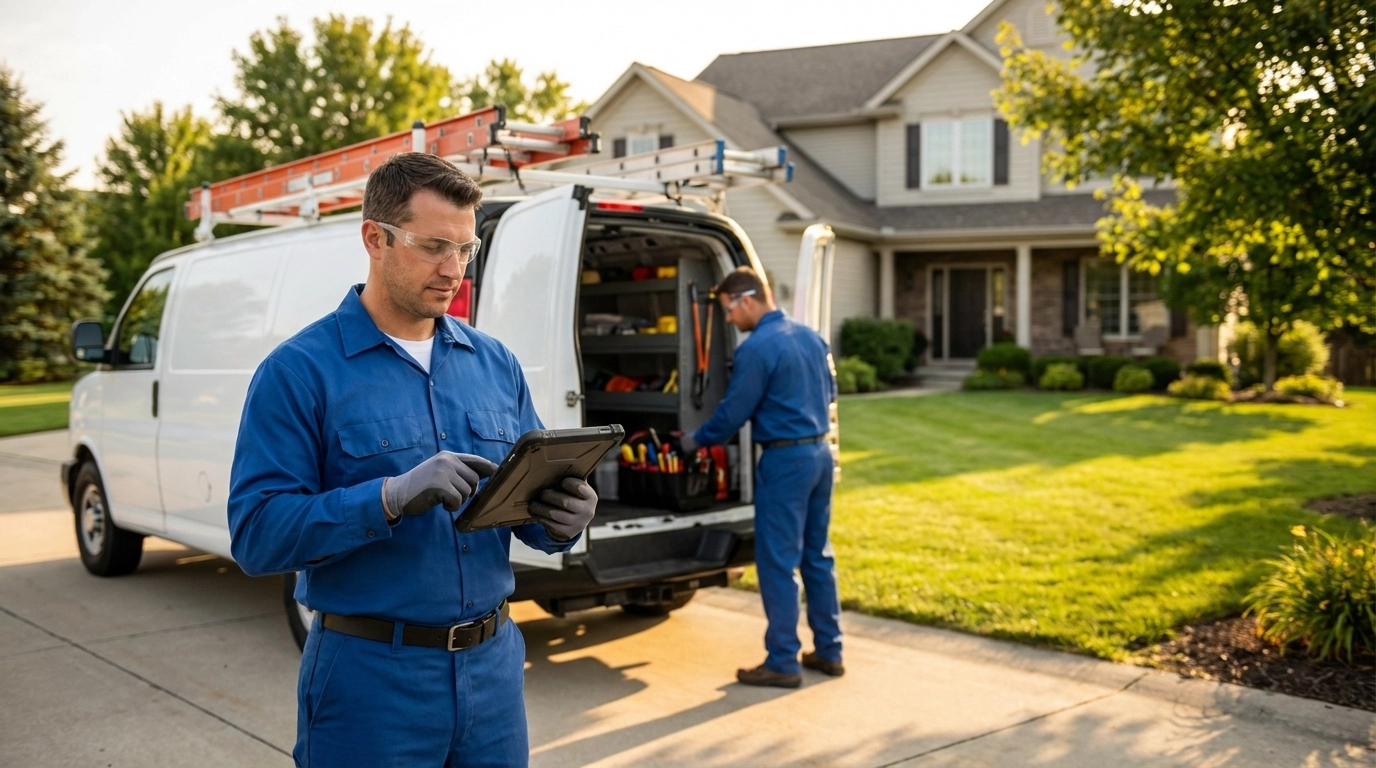
Let's cut through the noise: if you're still manually following up with every lead that comes through your door, you're already behind. Way behind.
While you're sitting there crafting individual text messages and playing phone tag, your competition is using automated systems that work 24/7, never miss a lead, and convert prospects faster than you can say "free estimate."
The hard truth? Manual follow-up is killing your business, and you probably don't even realize it.
The Follow-Up Reality Check
Here's what's happening in your business right now: A homeowner fills out your contact form at 7 PM on a Tuesday. You see it Wednesday morning, call them back around 10 AM, and get voicemail. You leave a message. They don't call back. You try again Thursday. Still nothing.
Meanwhile, the HVAC company down the street had an automated system that texted the homeowner within 60 seconds of their form submission, scheduled a consultation for the next day, and sent three follow-up messages that built trust and urgency.
Guess who got the job?
This isn't a hypothetical scenario, it's happening thousands of times every day across every home service market in America. Sixty-three percent of sales leaders now believe that AI and automation make competing in their industry easier, and they're right.
Why Speed Kills (Your Competition)
The window for capturing home service leads is brutally narrow. When someone's AC breaks in July or their water heater starts leaking, they're not browsing around for weeks. They want it fixed NOW.
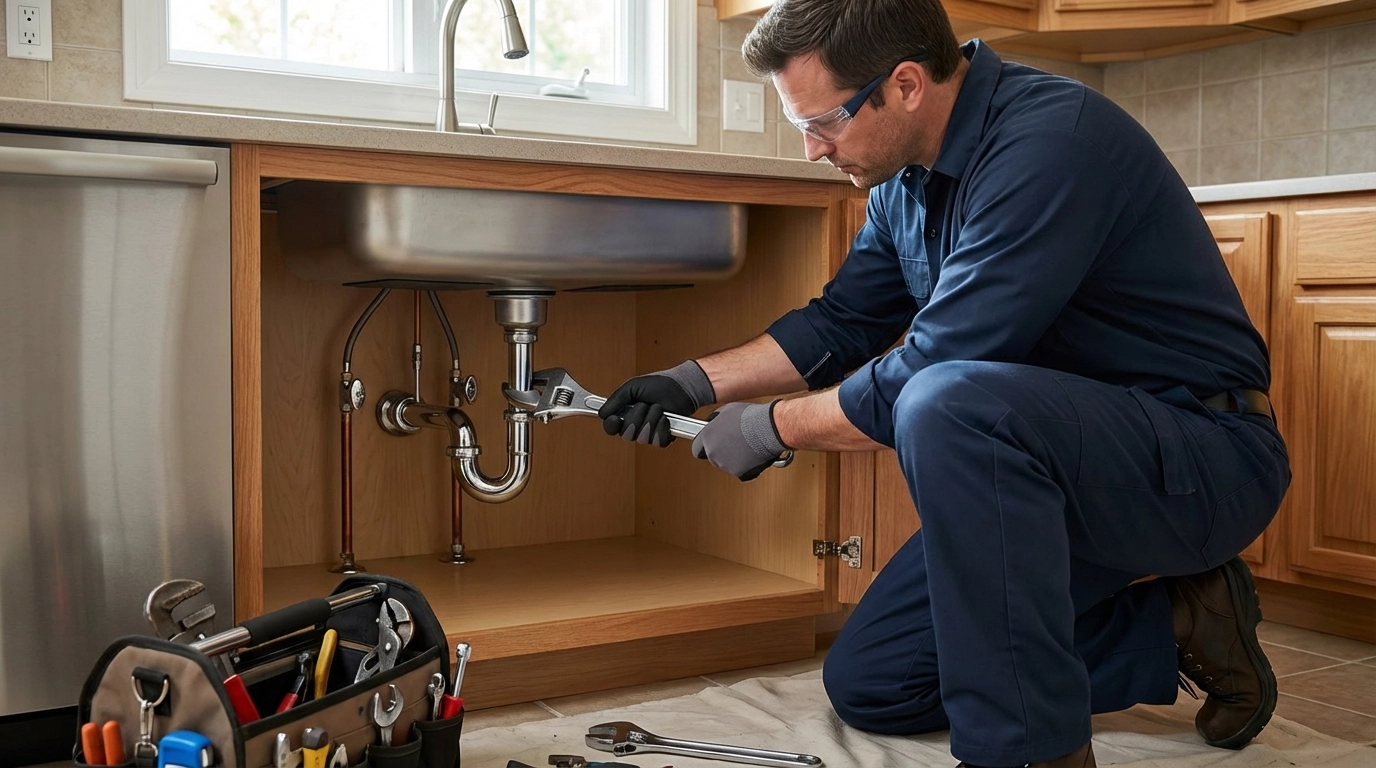
Quick follow-ups allow you to qualify leads faster and populate your pipeline with prospects ready to buy immediately. While your manual process takes hours or days, automated systems deliver instant responses that catch prospects while they're hot.
Think about it: that homeowner who submitted a form at 7 PM on Tuesday? Their problem didn't wait until your business hours. Their urgency didn't pause for your convenience. But your automated follow-up system doesn't sleep, doesn't take lunch breaks, and doesn't forget to call people back.
The Math That Changes Everything
Let's talk numbers because this is where things get interesting.
One salesperson equipped with automation can effectively compete with fifty fully manual salespeople. That's not marketing hyperbole, that's the efficiency multiplier you get when systems handle the repetitive work while you focus on closing deals.
Here's what that looks like in practice:
Manual follow-up: You can realistically follow up with maybe 10-15 leads per day while handling other business tasks
Automated follow-up: Your system handles 100+ leads simultaneously, 24/7, while you sleep
Data-driven teams that combine automation with personalized customer experiences are 1.7 times more likely to increase market share. In the home service world, that translates directly to more jobs, higher revenue, and market dominance in your area.
Beyond Just Faster Response Times
But speed is just the beginning. The real power of automated follow-up lies in consistency and scalability.
Your best salesperson has off days. Your automated system doesn't.
Every lead gets the same professional, timely response. Every prospect receives the same quality information. Every follow-up happens exactly when it should, without human error or forgetfulness.
This consistency builds trust faster than manual processes ever could. When a homeowner gets an immediate response, followed by helpful information, followed by timely check-ins, they perceive your company as professional, reliable, and on top of their game.
Meanwhile, your manually-driven competition is still trying to remember which leads they called yesterday.
The Personalization Myth
"But automated messages aren't personal!"
Wrong. Dead wrong.
Modern automated follow-up systems enable scalable personalization using dynamic fields, behavior-based triggers, and smart segmentation. Your system can send different messages based on:
Service type requested
Time of day they submitted the form
Pages they visited on your website
Previous interactions with your company
Urgency indicators in their request
A homeowner who fills out an emergency plumbing form at 2 AM gets a different automated response than someone requesting a routine HVAC maintenance quote on a Thursday afternoon. The automation makes it more personal, not less.
What This Looks Like in Real Life
Let's walk through what happens when a potential customer contacts a contractor using automated follow-up:
Minute 1: Form submitted on your website
Minute 2: Automated text confirming receipt and providing your phone number
Minute 5: Personalized email with relevant information about their service request
Hour 2: Follow-up text asking if they have any urgent questions
Day 2: Educational content about their specific problem
Day 4: Special offer or scheduling incentive
Week 1: Case study from a similar job you completed
Each touchpoint builds trust, demonstrates expertise, and moves them closer to choosing your company. All of this happens whether you're on a job site, at dinner with your family, or sleeping.
Your competition? They're still trying to find time to call the lead back.
Addressing the Resistance
"My customers want to talk to a real person."
They do. But they want to talk to you AFTER they've decided you're worth talking to. Automated follow-up doesn't replace human interaction, it creates more opportunities for meaningful human interaction by nurturing leads until they're ready to engage.
"I don't want to seem impersonal or spammy."
Poorly implemented automation is spammy. Professional automated follow-up is helpful, timely, and value-driven. The difference is in the execution, not the concept.
"It's too complicated to set up."
The initial setup takes time, yes. But once it's running, you save hours every single day while capturing more leads and closing more deals. The systems that handle this kind of automation have become increasingly user-friendly and contractor-focused.
The Competitive Advantage Window is Closing
Here's the uncomfortable truth: nearly one in five B2B sales teams are already using AI for follow-ups, with another 23% actively implementing it.
In the home service world, adoption is accelerating rapidly. Early adopters are seeing dramatic improvements in lead conversion rates, customer satisfaction, and revenue growth. But as more contractors implement these systems, the competitive advantage diminishes.
The contractors winning today are the ones who recognized that customer expectations changed faster than industry practices. Homeowners now expect immediate responses, 24/7 availability, and professional communication. Manual processes simply can't deliver at this level consistently.
Making the Shift
If you're ready to stop losing leads to faster, more systematic competitors, the transition starts with understanding that automated follow-up isn't about replacing personal service: it's about enabling better personal service at scale.
Your expertise, experience, and craftsmanship haven't changed. But your ability to capture and convert leads can multiply overnight with the right systems in place.
The contractors dominating their markets in 2026 aren't necessarily better at plumbing, electrical work, or HVAC installation. They're just better at capturing leads, following up consistently, and converting prospects into customers.
The question isn't whether automated follow-up is right for your business. The question is whether you want to lead your market or watch others capture the customers who should have been yours.
Everyone's talking about automated follow-up because everyone who implements it properly sees results. The conversation isn't about whether it works: it's about who's going to implement it first and dominate their local market.
The window is still open, but it won't stay that way forever.

The Wolf Pack Co
Marketing for contractors who are too busy to follow up.
More leads. More jobs. Less Hassle.
Contact Us
Phone: (313) 462-2775
Email: [email protected]
Address: 1950 S Rochester Rd #1217, Rochester Hills, MI 48307
© 2026 The Wolf Pack Co – All rights reserved.